- Company
- Patagonia
- Role
- Founder
- Est. Net Worth
- $3 Billion (Est.)
- Stage
- Elite
- Industry
- Retail
Yvon Chouinard
Founder at Patagonia
About
Yvon Chouinard founded Patagonia in 1973 and spent five decades building it into one of the most respected brands in the world — a company that demonstrated, against all conventional business wisdom, that a corporation could be genuinely committed to environmental sustainability and still generate enormous profits. In 2022, Chouinard made the most radical corporate decision in modern business history: he transferred ownership of Patagonia, valued at approximately $3 billion, to a trust and a nonprofit organization dedicated to fighting climate change, declaring that 'Earth is now our only shareholder.' The company's annual profits — roughly $100 million — now flow to the Holdfast Collective, a nonprofit that funds environmental causes. Chouinard, a lifelong rock climber, surfer, and outdoor adventurer, built Patagonia's brand on the principle that the most responsible thing a company can do is make products that last, and that the outdoor industry has a special obligation to protect the wild places that give it purpose.
Current Company
Patagonia — Founder
The Reluctant Businessman Who Changed What Companies Could Be
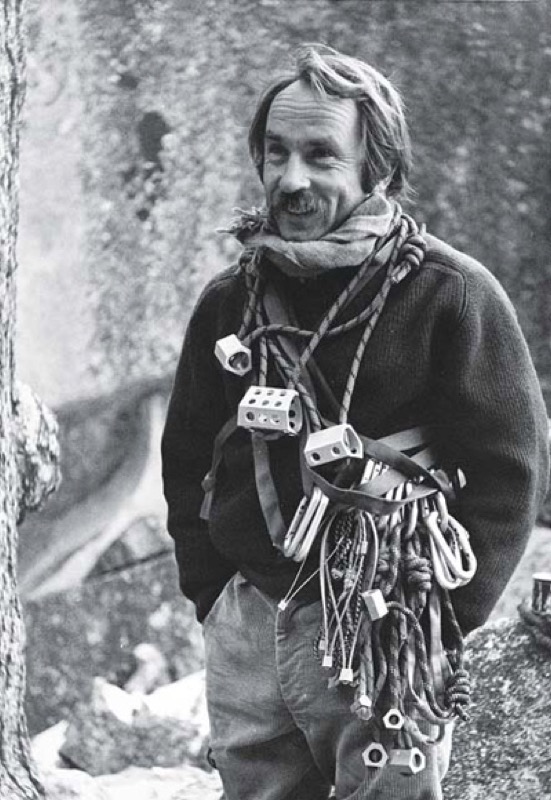
Yvon Chouinard never wanted to be a businessman — he wanted to climb rocks, surf waves, and fish wild rivers. But the company he built to fund his outdoor adventures became one of the most influential businesses of the modern era, demonstrating that a corporation could be profitable, environmentally responsible, and culturally cool simultaneously. Chouinard started making climbing equipment in the late 1950s, hand-forging pitons in his parents' backyard in Burbank, California, and selling them from the back of his car at climbing sites throughout the American West. When he realized that the steel pitons his customers hammered into rock cracks were damaging the very cliffs they loved, he developed removable aluminum chocks that protected the rock — the first of many decisions in which Chouinard chose environmental responsibility over commercial convenience.
Patagonia, the clothing company he founded in 1973, extended this philosophy to apparel: the company pioneered the use of organic cotton (switching its entire cotton supply chain in 1996, at enormous cost), recycled polyester, and Fair Trade Certified manufacturing. Its 'Don't Buy This Jacket' advertising campaign — a full-page New York Times ad on Black Friday urging consumers to buy less — was either the most brilliant marketing stunt in retail history or the most sincere anti-consumerist message ever delivered by a for-profit company. Either way, it captured something essential about Chouinard's approach: that the most responsible thing a company can do is make products that last, repair them when they break, and acknowledge that endless consumption is incompatible with a healthy planet.
Giving Away the Company to Save the Planet
In September 2022, Chouinard made the most radical corporate decision in modern business history: he transferred ownership of Patagonia, valued at approximately $3 billion, to a specially designed trust and a nonprofit organization called the Holdfast Collective, ensuring that all of the company's profits — roughly $100 million per year — would be used to fight climate change and protect wild lands. 'Earth is now our only shareholder,' Chouinard said in announcing the decision, which was structured to ensure that neither he, his family, nor any future owner could reverse it. The move was unprecedented in its scale and its permanence: other business leaders have pledged to give away their fortunes, but Chouinard gave away his company itself — not just the profits it generates but the means of production, the brand, and the culture he spent fifty years building.
The decision reflected Chouinard's growing conviction that traditional philanthropy and corporate sustainability initiatives were insufficient to address the climate crisis — that the scale of the problem required not just donations from wealthy individuals but fundamental changes to how the economy operates. By giving Patagonia to a purpose-driven trust, Chouinard created a model in which a profitable company serves as a permanent engine for environmental investment, generating resources for the fight against climate change in perpetuity rather than depending on the charitable impulses of any individual or family. Whether other business leaders follow his example remains to be seen, but Chouinard has established a proof of concept that will be studied and debated for decades: that it is possible to build a great company, to live a great life, and to give it all away — not at the end, but while there is still time for it to matter.