- Company
- Frontera Grill / Topolobampo
- Role
- Chef & Owner
- Est. Net Worth
- $5 Million (Est.)
- Stage
- Emerging
- Industry
- Hospitality
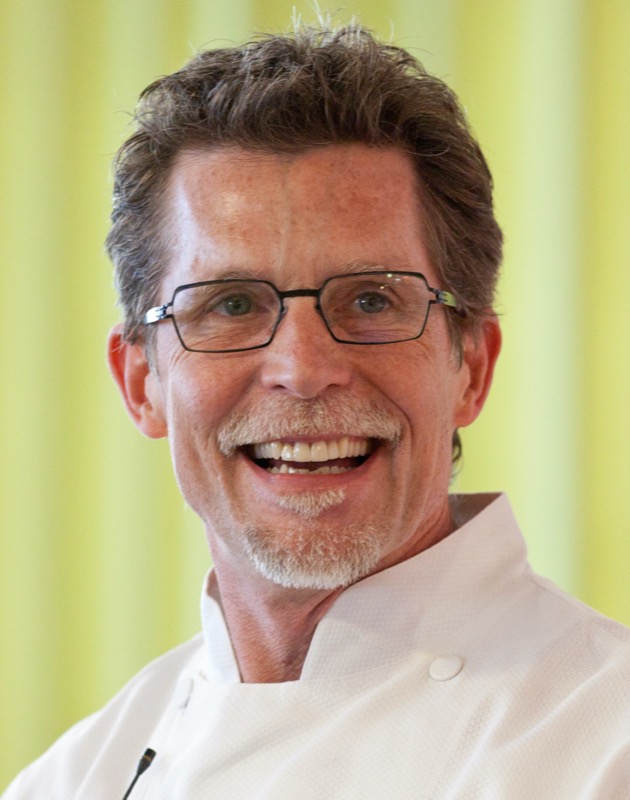
Rick Bayless
Chef & Owner at Frontera Grill / Topolobampo
About
Rick Bayless devoted his career to bringing authentic Mexican cuisine to American fine dining, operating Chicago's beloved Frontera Grill and the Michelin-starred Topolobampo while producing the long-running PBS series 'Mexico — One Plate at a Time.' His approach goes beyond cooking: Bayless spent years living in Mexico studying regional culinary traditions, and his cookbooks are as much ethnographic studies as they are recipe collections. He won Top Chef Masters in its inaugural season and has earned seven James Beard Awards — more than almost any chef in the award's history. His Frontera Farmer Foundation has donated millions to small Midwestern farms, connecting his restaurants directly to the local food system he champions.
Current Company
Frontera Grill / Topolobampo — Chef & Owner
The Scholar-Chef Who Championed Mexican Cuisine
Rick Bayless's career in Mexican cuisine began not in a kitchen but in a library. After studying Spanish and Latin American studies at the University of Michigan and pursuing doctoral work in anthropological linguistics, Bayless spent six years living in Mexico researching regional culinary traditions — work that produced his landmark cookbook 'Authentic Mexican,' published in 1987. The book was the first English-language work to treat Mexican cuisine as a serious, complex culinary tradition worthy of the same scholarly attention given to French or Italian cooking, and it laid the intellectual foundation for everything Bayless would build in Chicago.
Frontera Grill, which Bayless opened in 1987, introduced Chicagoans to the depth and diversity of Mexican regional cooking at a time when most Americans equated Mexican food with tacos and burritos. Topolobampo, its fine-dining sibling next door, earned a Michelin star and demonstrated that Mexican cuisine could operate at the highest level of contemporary gastronomy. Bayless's approach was anthropological: each dish on the menu could be traced to a specific region, village, or cook in Mexico, and the preparations honored traditional techniques while incorporating seasonal Midwestern ingredients from the local farms Bayless championed through his Frontera Farmer Foundation.
Bridging Cultures Through the Kitchen
Bayless's PBS series 'Mexico — One Plate at a Time,' which has run in various forms since 2000, extended his mission beyond the restaurant to a national audience. Each episode combines cooking instruction with cultural storytelling, taking viewers into Mexican markets, home kitchens, and rural communities to understand the context behind the food. The show's longevity reflects Bayless's unique position: he is simultaneously a working chef, a published scholar, a television personality, and a genuine authority on a cuisine he has studied for over four decades.
His work has not been without controversy. Some critics have questioned whether a white American chef should be the primary ambassador for Mexican cuisine in the United States, arguing that Mexican and Mexican-American chefs deserve the platforms and recognition that Bayless has received. Bayless has engaged with this criticism thoughtfully, acknowledging the inequity while arguing that his work has elevated the cuisine's status and created opportunities for Mexican-born chefs in American fine dining. Whatever one's position on this debate, the facts of Bayless's contribution are clear: he has done more than any other single figure to ensure that American diners understand Mexican food as one of the world's great culinary traditions, not a cheap fast-food category.