- Company
- National School of Tropical Medicine, Baylor
- Role
- Dean & Professor
- Est. Net Worth
- $5 Million (Est.)
- Stage
- Emerging
- Industry
- Healthcare
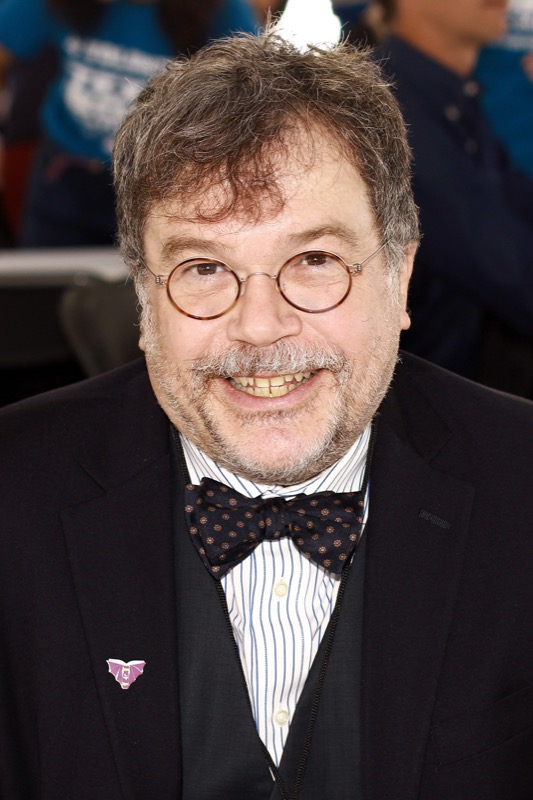
Peter Hotez
Dean & Professor at National School of Tropical Medicine, Baylor
About
Peter Hotez is a vaccine scientist, pediatrician, and the nation's most prolific public communicator on the threat of neglected tropical diseases — illnesses that affect over a billion of the world's poorest people but receive a fraction of the pharmaceutical industry's research investment because the patients who need treatments cannot afford to pay for them. As co-director of the Texas Children's Hospital Center for Vaccine Development, Hotez led the development of Corbevax, a patent-free COVID-19 vaccine designed to be manufactured cheaply at scale by developing countries — a direct challenge to the proprietary vaccine model that left billions of people in low-income countries without access during the pandemic. His advocacy for vaccine science has made him one of the most prominent targets of the anti-vaccine movement, subjecting him to sustained online harassment and death threats that he has documented publicly while refusing to be silenced. Hotez's six books and hundreds of op-eds have made the case that tropical diseases are not just a humanitarian concern but a national security threat.
Current Company
National School of Tropical Medicine, Baylor — Dean & Professor
The Scientist Fighting the World's Most Neglected Diseases
Peter Hotez has dedicated his career to developing vaccines and treatments for diseases that the pharmaceutical industry has no financial incentive to address — tropical parasitic infections like hookworm, schistosomiasis, and Chagas disease that collectively affect over a billion people worldwide but generate virtually no commercial revenue because the patients who need treatment live in the world's poorest communities. As co-director of the Texas Children's Hospital Center for Vaccine Development and dean of the National School of Tropical Medicine at Baylor College of Medicine, Hotez has led the development of several vaccine candidates for neglected tropical diseases, including a hookworm vaccine that is now in clinical trials.
His most consequential recent work was the development of Corbevax, a patent-free COVID-19 vaccine designed specifically for the developing world. Unlike the mRNA vaccines produced by Pfizer and Moderna, Corbevax uses a traditional recombinant protein technology that can be manufactured cheaply at scale using equipment already available in developing countries. Hotez and his team deliberately chose not to patent the vaccine, making the technology freely available to any manufacturer worldwide. The vaccine has been produced and distributed primarily in India and Indonesia, providing COVID protection to populations that the proprietary vaccine model left behind.
The Public Face of Vaccine Science Under Siege
Hotez's role as one of the nation's most visible defenders of vaccination has made him a primary target of the anti-vaccine movement — a position that has resulted in sustained harassment, death threats against him and his family, and the kind of organized online attacks that few scientists are prepared to endure. He has documented this harassment publicly, arguing that the targeting of vaccine scientists is not just a personal safety issue but a public health emergency: when scientists are intimidated into silence, misinformation fills the void, and the diseases that vaccines prevent begin to return.
His six books — including 'Vaccines Did Not Cause Rachel's Autism,' a deeply personal account of raising his autistic daughter while professionally combating the false claim that vaccines cause autism — combine scientific rigor with emotional honesty in a way that makes the case for vaccination accessible to non-specialist audiences. Hotez has argued that the anti-vaccine movement is no longer a fringe phenomenon but a politically organized force with ties to extremist movements, and that combating it requires not just better science communication but political action. Now in his sixties, he continues to research, write, and speak with an urgency driven by his conviction that the erosion of public trust in vaccines represents one of the most dangerous trends in global public health.