- Company
- ArcelorMittal
- Role
- Chairman
- Est. Net Worth
- $15 Billion
- Stage
- Elite
- Industry
- Finance
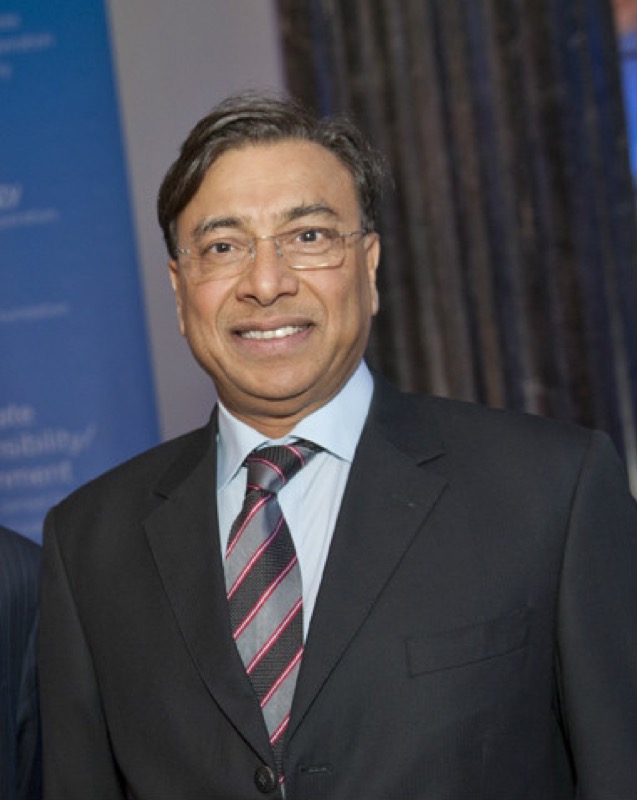
Lakshmi Mittal
Chairman at ArcelorMittal
About
Lakshmi Mittal built ArcelorMittal into the world's largest steel company through a series of audacious acquisitions that transformed a fragmented, nationally oriented industry into a global enterprise. Starting with a single steel mill in Indonesia in 1976, Mittal spent three decades acquiring underperforming state-owned steel companies across the developing world — in Trinidad, Mexico, Kazakhstan, Romania, and South Africa — applying modern management techniques and operational efficiencies that turned money-losing operations into profitable ones. His hostile takeover of European steel giant Arcelor in 2006, against fierce opposition from European governments and business elites who viewed him as an unwelcome outsider, was one of the largest and most controversial deals in European corporate history. The merged entity, ArcelorMittal, produces approximately 70 million tonnes of steel annually and operates in over 60 countries, supplying the material that literally builds the modern world's infrastructure.
Current Company
ArcelorMittal — Chairman
The Dealmaker Who Forged the World's Steel Industry
Lakshmi Mittal's career is a masterclass in how to build a global industrial empire through acquisitions in markets that others considered too risky, too complicated, or too politically sensitive to touch. Starting with a single steel mill in Indonesia in 1976, Mittal spent three decades acquiring state-owned steel companies that had been abandoned by their governments — operations in Trinidad, Mexico, Kazakhstan, Romania, and South Africa that were bleeding money, employing outdated technology, and suffering from decades of political mismanagement. His approach was consistent: acquire the operation at a distressed price, invest in modern equipment and management systems, retain the existing workforce wherever possible, and turn the operation profitable within two to three years.
The audacity of this strategy was matched only by its consistency. Mittal succeeded in environments that frightened away competitors — buying steel mills in post-Soviet Kazakhstan when the country's legal and business infrastructure was barely functional, and acquiring operations in post-communist Romania and Poland when Western investors were still skeptical of Eastern European markets. His ability to operate successfully across such diverse political and economic environments reflected a combination of operational expertise, political savvy, and personal relationships with government leaders that no other steel executive could replicate.
The Arcelor Battle and the Making of a Global Champion
Mittal's hostile takeover of Luxembourg-based Arcelor in 2006 was one of the defining corporate battles of the twenty-first century. Arcelor was the pride of European steel — a company formed from the merger of steel champions from Luxembourg, France, and Spain — and its management and political backers viewed Mittal's bid as an affront to European industrial sovereignty. French and Luxembourgish politicians called for blocking the deal, and Arcelor's board mounted an aggressive defense that included disparaging Mittal's Indian origins and his company's operations in developing countries. Mittal persisted, raising his offer and winning over shareholders by arguing that the merged company would be better positioned to compete with rising Chinese steel producers. The deal closed at roughly $33 billion, creating the world's largest steel company.
ArcelorMittal's subsequent history has validated Mittal's industrial logic while exposing the challenges of managing a global steel empire in an era of overcapacity, trade wars, and decarbonization pressure. The company has invested billions in developing low-carbon steelmaking technologies, including hydrogen-based direct reduction processes that could dramatically reduce the industry's carbon footprint. Mittal's personal philanthropy has focused on education and healthcare in India, where his family foundation supports hospitals, schools, and scholarship programs. Now in his seventies, Mittal remains chairman of the company he built and one of the most influential industrialists in the world — a man who took the most basic material of modern civilization and turned it into a global business.