- Company
- LEE Initiative
- Role
- Chef & Founder
- Est. Net Worth
- $5 Million (Est.)
- Stage
- Emerging
- Industry
- Hospitality
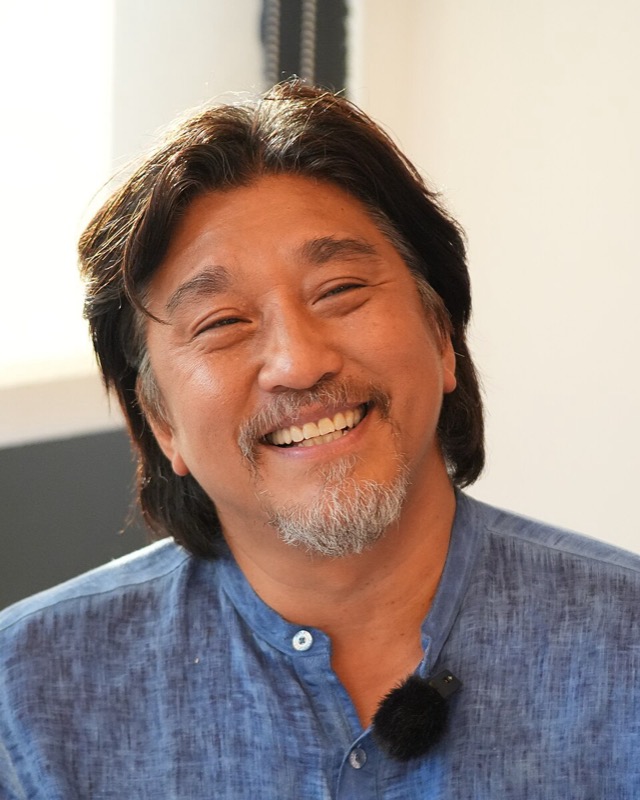
Edward Lee
Chef & Founder at LEE Initiative
About
Edward Lee is the chef behind 610 Magnolia and Whiskey Dry in Louisville, Kentucky, and the founder of the LEE Initiative, a nonprofit that has provided millions of meals to restaurant workers, first responders, and communities in crisis. Born in Brooklyn to Korean immigrant parents, Lee moved to Louisville and developed a culinary style that fuses Korean flavors and techniques with the ingredients and traditions of Southern cooking — a combination that sounds unlikely on paper but that Lee executes with a naturalness that makes it feel inevitable. His book 'Buttermilk Graffiti' chronicled a road trip across America exploring the immigrant communities reshaping American cuisine, and his cooking at 610 Magnolia has earned him a James Beard Award and recognition as one of the most thoughtful and original chefs working in America. The LEE Initiative, which he launched in response to the restaurant industry's devastation during the COVID-19 pandemic, has become a permanent institution serving the needs of restaurant workers nationwide.
Current Company
LEE Initiative — Chef & Founder
Where Korean Spice Meets Southern Soul
Edward Lee's cooking is the product of an unlikely biography: a Korean American kid from Brooklyn who fell in love with the food traditions of the American South and spent decades figuring out how to bring the two together in ways that feel natural rather than forced. Lee moved to Louisville, Kentucky, after falling in love with the city's food culture, and opened 610 Magnolia — a restaurant where dishes like miso-marinated country ham, gochujang-glazed lamb, and collard greens seasoned with Korean chili flakes demonstrated that the flavor profiles of Korean and Southern cooking shared deep affinities. Both traditions prize fermentation, both build flavor through slow cooking and layered seasonings, and both treat food as an expression of community and identity. Lee's insight was that these similarities weren't coincidental but structural — that cuisines developed by people under similar conditions of hardship and resilience tend to evolve similar flavor strategies.
His book 'Smoke and Pickles: Recipes and Stories from a New Southern Kitchen' documented this culinary philosophy, and his subsequent road-trip memoir 'Buttermilk Graffiti' expanded the lens to explore how immigrant communities across America are creating new food traditions by blending their heritage cuisines with the ingredients and techniques of their adopted homes. Lee's writing, like his cooking, is personal, politically aware, and deeply generous — he approaches every cuisine he encounters with the assumption that its practitioners have something to teach him, and his work has helped American food culture move beyond the tired debate about 'authenticity' toward a more nuanced understanding of how cuisines evolve and cross-pollinate.
The LEE Initiative and Feeding a Nation in Crisis
When the COVID-19 pandemic shut down the American restaurant industry in March 2020, Lee responded with the LEE Initiative — a nonprofit that mobilized restaurant kitchens across the country to provide free meals to out-of-work restaurant workers, healthcare professionals, and communities in crisis. The initiative, which Lee co-founded with his partner Lindsey Ofcacek, eventually served over two million meals and distributed millions of dollars in direct aid to restaurant workers who found themselves suddenly unemployed in an industry with no safety net. What distinguished the LEE Initiative from other pandemic relief efforts was its emphasis on dignity: meals were prepared by professional chefs using high-quality ingredients, and the distribution was organized to avoid the stigma that can accompany food assistance.
The pandemic relief work evolved into a permanent organization that now focuses on addressing systemic inequities in the restaurant industry — including the racial and gender disparities in restaurant ownership, the lack of mental health support for hospitality workers, and the food insecurity that affects a shocking percentage of the people who prepare and serve America's meals. Lee has argued that the restaurant industry's romantic self-image — of passionate chefs pursuing culinary excellence — obscures a reality of exploitative wages, grueling hours, and inadequate benefits that the pandemic exposed but did not create. The LEE Initiative represents his attempt to match the industry's rhetoric about food as community and nourishment with actual investment in the wellbeing of the people who make that community possible.