- Company
- Carla Hall Enterprises
- Role
- Chef, Author & TV Personality
- Est. Net Worth
- $3 Million (Est.)
- Stage
- Emerging
- Industry
- Hospitality
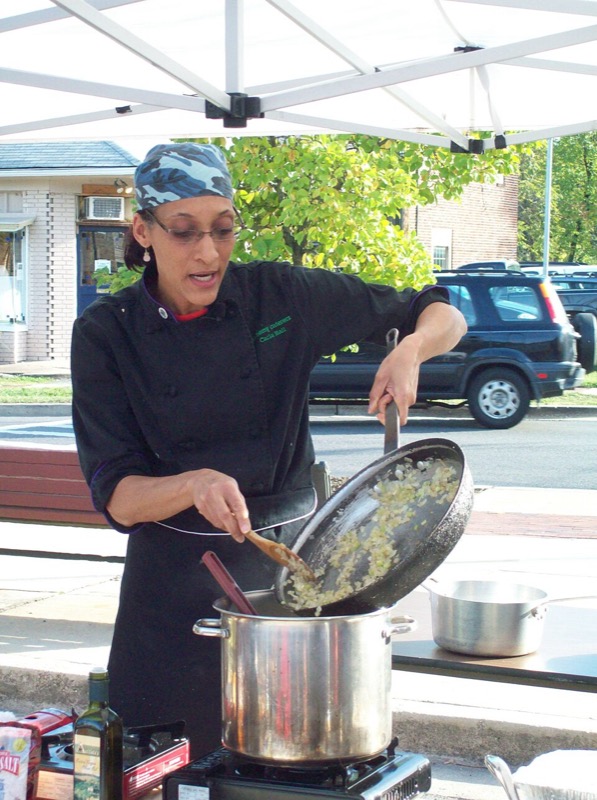
Carla Hall
Chef, Author & TV Personality at Carla Hall Enterprises
About
Carla Hall parlayed her Top Chef fan-favorite status into a multifaceted culinary career that spans television hosting (five years as co-host of ABC's 'The Chew'), cookbook authorship, and a deep commitment to preserving and celebrating African American culinary traditions. A former fashion model who attended L'Académie de Cuisine, Hall brings an unusual combination of warmth, technical skill, and cultural consciousness to her work. Her cookbook 'Carla Hall's Soul Food: Everyday and Celebration' is considered one of the most important contemporary explorations of African American foodways, connecting the cuisine she grew up eating in Nashville to its roots in African, Caribbean, and Southern traditions. Hall has become one of the most visible advocates for recognizing Black chefs' contributions to American cuisine — contributions that have historically been erased or uncredited — and her Carla Hall's Southern Kitchen concept demonstrated her ability to translate her grandmother's recipes into a commercial restaurant format.
Current Company
Carla Hall Enterprises — Chef, Author & TV Personality
From Top Chef to the Champion of Soul Food's Story
Carla Hall's career trajectory — from fashion model to competitive chef to television host to culinary historian — reflects a restless curiosity and a willingness to reinvent herself that has made her one of the most versatile and beloved figures in American food media. Her two appearances on Bravo's Top Chef (Seasons 5 and 8) introduced national audiences to her ebullient personality and her cooking, which blended classical French technique with the Southern comfort food she grew up eating in Nashville. Her catchphrase on the show — 'Cook with love!' — became a running joke among viewers but also captured something genuine about Hall's approach to food: that cooking is fundamentally an act of care, and that the emotions a cook brings to the kitchen are as important as the ingredients.
Her five-year stint as co-host of ABC's 'The Chew' (alongside Mario Batali, Michael Symon, Clinton Kelly, and Daphne Oz) cemented her status as a household name and demonstrated her ability to communicate about food in a way that was simultaneously expert and accessible. But it was her subsequent work — particularly her cookbook 'Carla Hall's Soul Food: Everyday and Celebration' — that revealed the depth of her culinary thinking. The book is not just a recipe collection but a scholarly and personal exploration of African American foodways, tracing the connections between West African cooking traditions, the forced adaptations of slavery, and the soul food traditions that emerged from that painful history.
Reclaiming Black Culinary History
Hall has become one of the most prominent voices in a movement to recognize and properly credit the contributions of Black chefs and cooks to American cuisine. Her argument — supported by extensive historical research — is that much of what Americans think of as 'Southern food' or 'American comfort food' was developed by enslaved Black cooks and their descendants, but that this history has been systematically erased or attributed to white Southern culture. From fried chicken to barbecue to gumbo to biscuits, the techniques and flavor combinations that define American comfort food have roots in African and Caribbean culinary traditions that were brought to the Americas by enslaved people and developed further under conditions of extreme hardship.
Her restaurant concept, Carla Hall's Southern Kitchen, which operated in Brooklyn before closing, was an attempt to translate this culinary heritage into a commercial format — serving Nashville-style hot chicken, biscuits, and other soul food staples prepared with the same attention to quality and technique that fine-dining restaurants bring to their menus. While the restaurant did not survive the economic challenges of the New York restaurant scene, its influence on the conversation about Black food heritage has been lasting. Hall continues to advocate for recognition of Black culinary contributions through speaking, writing, and mentoring young Black chefs, arguing that understanding the full history of American food — including its painful origins in slavery and exploitation — is essential to understanding American culture itself.