- Company
- Glitch
- Role
- CEO
- Est. Net Worth
- $5 Million (Est.)
- Stage
- Emerging
- Industry
- Tech & SaaS
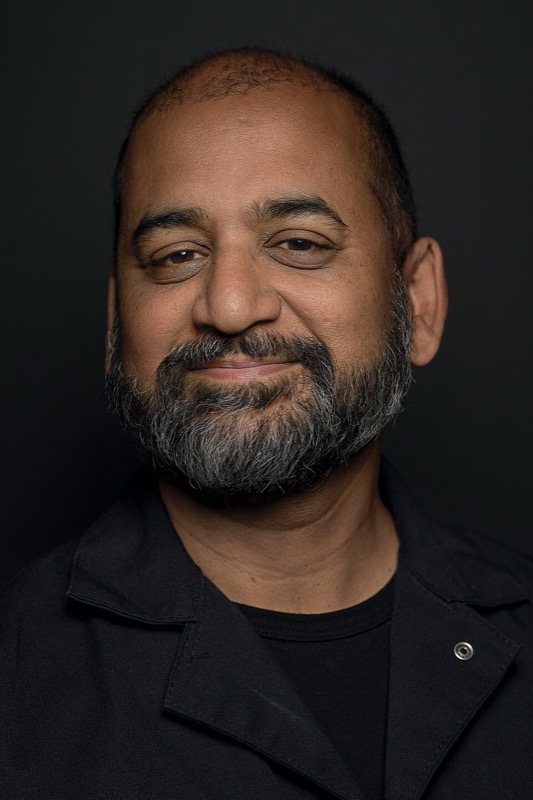
Anil Dash
CEO at Glitch
About
Anil Dash is a technology entrepreneur, writer, and advocate who has spent two decades arguing that the internet can be a force for creativity, community, and democratic participation — and building products designed to prove it. As CEO of Glitch, the collaborative coding platform that makes web development accessible to beginners and professionals alike, Dash has championed a vision of technology that prioritizes community ownership, creative expression, and ethical design over engagement metrics and advertising revenue. Before Glitch, Dash was one of the earliest and most influential bloggers on the internet, using his platform to write about technology, race, culture, and the responsibility that technologists bear for the products they create. He has served on the board of the Electronic Frontier Foundation and Data & Society, and his writing and speaking about the social impact of technology has made him one of the most respected voices in the ongoing conversation about how to build a more humane internet.
Current Company
Glitch — CEO
The Conscience of the Tech Industry
Anil Dash has spent two decades occupying a unique position in the technology world: an insider who builds products and leads companies, but who simultaneously functions as one of the industry's most thoughtful and persistent critics. As one of the earliest prominent bloggers — his site, launched in 1999, was among the first to demonstrate the medium's potential for serious commentary — Dash established himself as a writer who could explain technology's social implications to a general audience without sacrificing nuance or technical accuracy. His writing on topics from algorithmic bias to the disappearance of the open web to the cultural politics of Silicon Valley has influenced how journalists, policymakers, and the public understand the technology industry's impact on society.
His leadership of Glitch (formerly Fog Creek Software, the company co-founded by Joel Spolsky) represents an attempt to build a product that embodies the values he has advocated for as a writer and speaker. Glitch is a collaborative coding platform designed to make web development accessible to people who have been excluded from the traditional pathways into technology — not just by lowering the technical barriers to creating web applications but by building a community culture that is deliberately welcoming, inclusive, and oriented toward creativity rather than competition. The platform's emphasis on remixing, sharing, and building upon others' work reflects Dash's conviction that the best version of the internet is one that empowers creation rather than consumption.
Open Web Advocacy and the Fight for a Humane Internet
Dash's most persistent theme as a writer and advocate has been the defense of the open web against the enclosure of the internet by a handful of dominant platforms. He has argued that the shift from a web of independent websites, blogs, and forums to one dominated by Facebook, Google, Twitter, and Amazon represents a fundamental loss of democratic potential — that the internet's original promise of giving everyone a voice has been replaced by a model in which a few corporations control the channels of communication and extract value from the content that users create. His advocacy for open protocols, decentralized platforms, and user ownership of data predates the current mainstream concern about platform power by many years.
His board service at organizations including the Electronic Frontier Foundation and Data & Society has given him institutional platforms from which to advance these arguments, and his personal network — which spans technologists, journalists, policymakers, artists, and activists — makes him one of the most connected people in the conversation about technology and society. Dash's effectiveness as an advocate derives from his refusal to adopt the outsider's posture of pure criticism: he continues to build products, lead teams, and ship code, which gives his critiques a credibility that purely academic or journalistic critics often lack. He is, in the best sense, a practitioner-critic — someone who understands technology's possibilities precisely because he has spent his career trying to build the version of technology that he believes the world deserves.